Dr Stefanie Shackleton
PauperHistorian
Working-class historian of working-class culture and society, specializing in Britain and Ireland in the long 19th century.
Diversity, equity, and inclusion advocate and writer, attempting to bring attention real barriers to equitable – and less miserable – access to study and work.
‘Poor and Obstinate’ – Ann Hicks
This multi-media project explores Victorian culture and society as experienced by one extraordinary woman, Ann Hicks, from 1840s London to 1870s Melbourne.
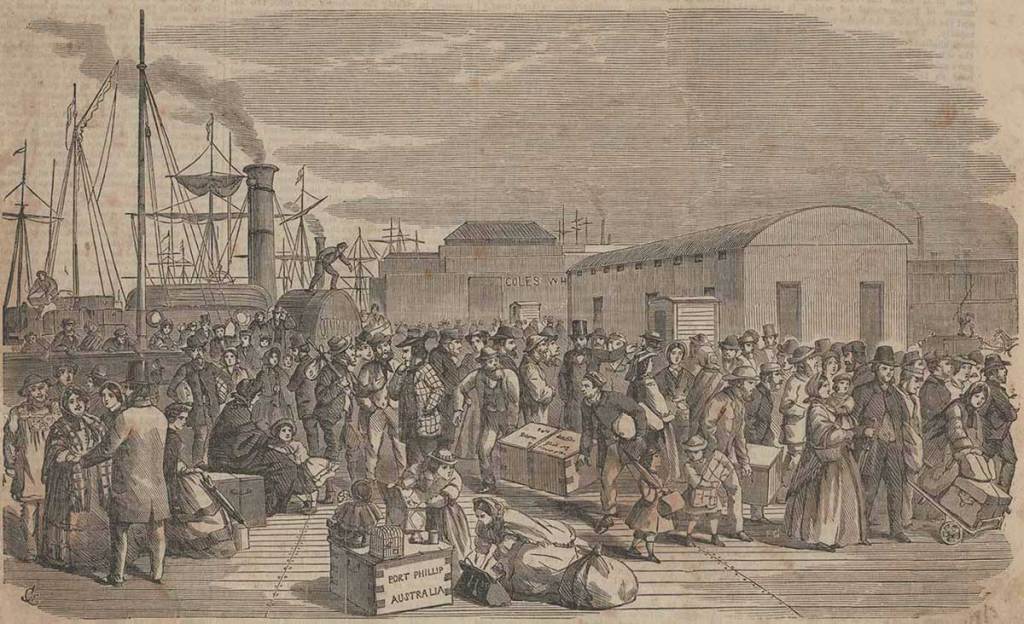
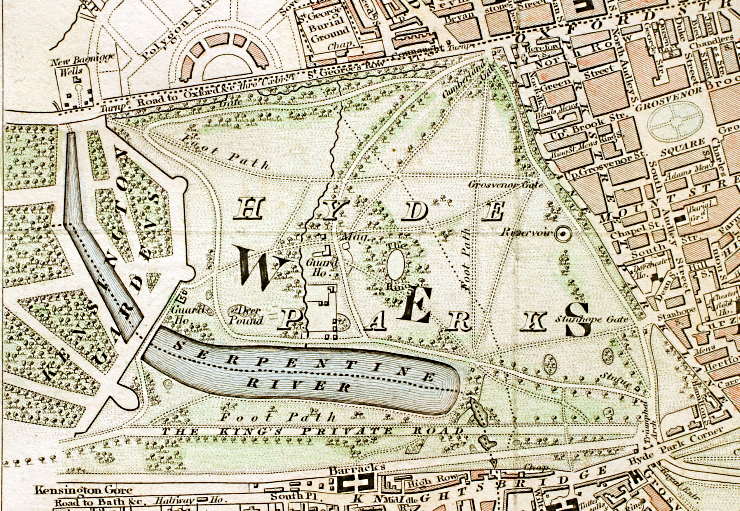
Ann Hicks, a London refreshment seller, stumbled into the center of parliamentary debates and some of the biggest cultural discussions of her time. She corresponded with some of the prominent names of Victorian history, including Queen Victoria herself and other members of her family, Charles Dickens, Robert Lemon, and several Lords and MPs. She had run-ins with the new London constabulary of the 1830s, became the face of controversy around the Great Exhibition of 1851, spent time in the Gold Fields of colonial Australia, and showed up in local stories and memoirs for decades after her death.
As interesting and eventful as her life was, however, in many ways Hiscks serves as an example of any working-class woman in the period – while also being the exception at every turn. This project explores British life and society during a time of dramatic change, while staying grounded in the experiences and connections of one “poor and obsitant” woman.
Presentations and Publications
Recent history and DEI-related things I’ve done.
Presentations
Publications
‘For the Education and Improvement of the People’
Working-Class Knowledge and Culture in the 19th-Century British World
Coming soon
Focusing primarily on the words and actions of working-class men and women in their autobiographies, letters, and documents, I reconstruct their exercise of autonomy in learning and culture creation in a variety of local cultural environments. This work challenges a historiography that has minimized worker agency, and also revisits foundational works in social history with newer methodologies from empire studies, local studies, history of science, and history of education. The monograph expands the original project into Australia and Canada (research originally postponed by the COVID-19 pandemic), as I contend that the construction of ideas around what made a working-class group or individual respectable, learned, and ‘British’ in the Victorian period occurred within the networks of exchanges between the capital and the periphery.